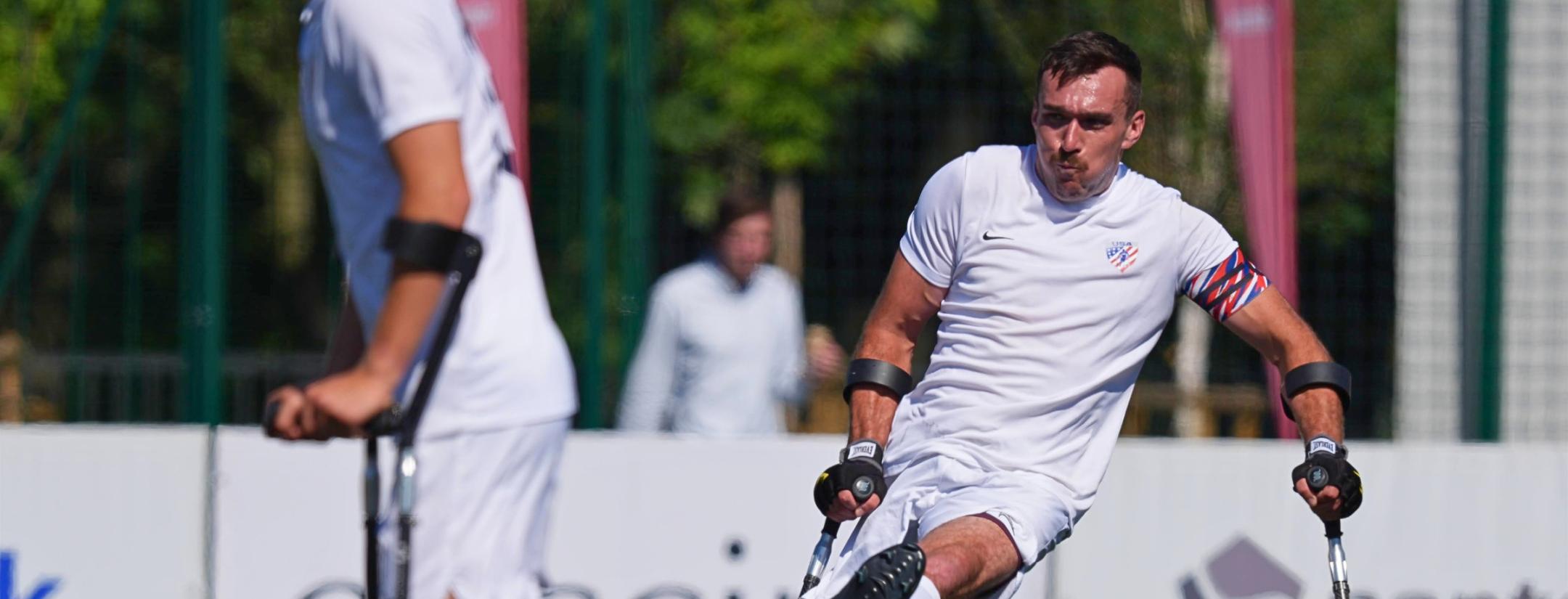
The U.S. Men’s National Team, managed by the American Amputee Soccer Association, punched its ticket to the Amputee Soccer World Cup this fall. On top of work and training, the players have been fundraising to make sure they will be at the opening ceremony.
That’s not a typo. This November, the United States will take on the best teams on the planet at the Amputee Football World Cup in San Juan de los Lagos, Mexico from Nov. 13–22. The U.S. qualified on the field. But unlike other squads that compete internationally, these players are paying and fundraising their own way to the tournament: flights, lodging, meals, time off work. They are, as the team itself has put it, officially unsponsored.
Not underfunded. Not under-resourced. Unsponsored. A national team headed to a World Cup with no brand on the front of the shirt.
First, Forget Everything That Makes This “Hard”
Amputee soccer is not a slower, gentler version of the game. It’s a harder one. Seven-a-side, played on forearm crutches, no prosthetics. Outfield players cover the full pitch at a sprint on two crutches and one leg; the keeper defends the goal with one arm. These are elite athletes playing a brutally demanding sport at the highest level the sport has.
The U.S. program is no underdog curiosity, either. The U.S. Women’s team took silver at their 2024 World Cup. The men qualified for this one outright. The governing body is the World Amputee Football Federation — its own global championship, every four years, more than 40 nations deep. It is, in every sense that matters, a World Cup.
The Players Carrying the Cost
Every athlete on this roster has a day job and a life that doesn’t pause for a national-team camp. Here are a few of the faces headed to Mexico.
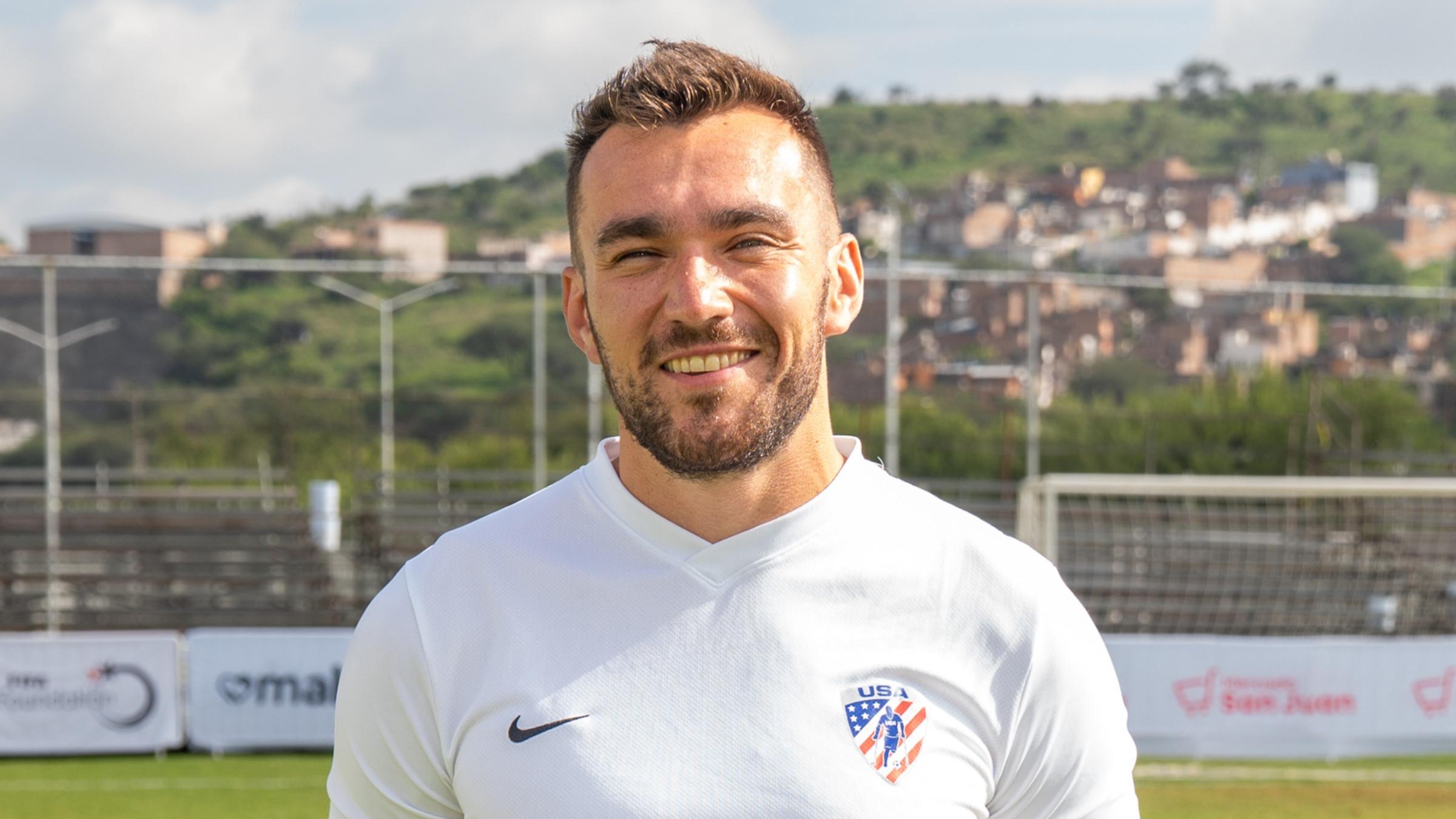
Nico Calabria captains the side. Born with one leg, he has spent his life on crutches and the last decade-plus turning that into a platform — as a player, an educator, and an advocate. For Nico, the game was never about overcoming anything. It was about saying something.
“Soccer is the way I communicate my ability to the world. It’s how I express who I am, and it flips negative stereotypes about disability on their head.” — Nico Calabria, U.S. captain
Vasu Sojitra lost his leg to sepsis as an infant and grew up between India and the U.S. Today he’s a professional adaptive athlete backed by The North Face, REI, Smith Optics and Faction Skis — proof that the world’s best brands already see what these athletes are worth. He calls soccer “the great connector of cultures,” and representing the U.S. the highest honor of his career.
Jovan Booker was born with a limb difference and had his leg amputated at ten months old. He grew up idolizing Pelé and thought he’d never play again after his father passed — until he found amputee soccer.
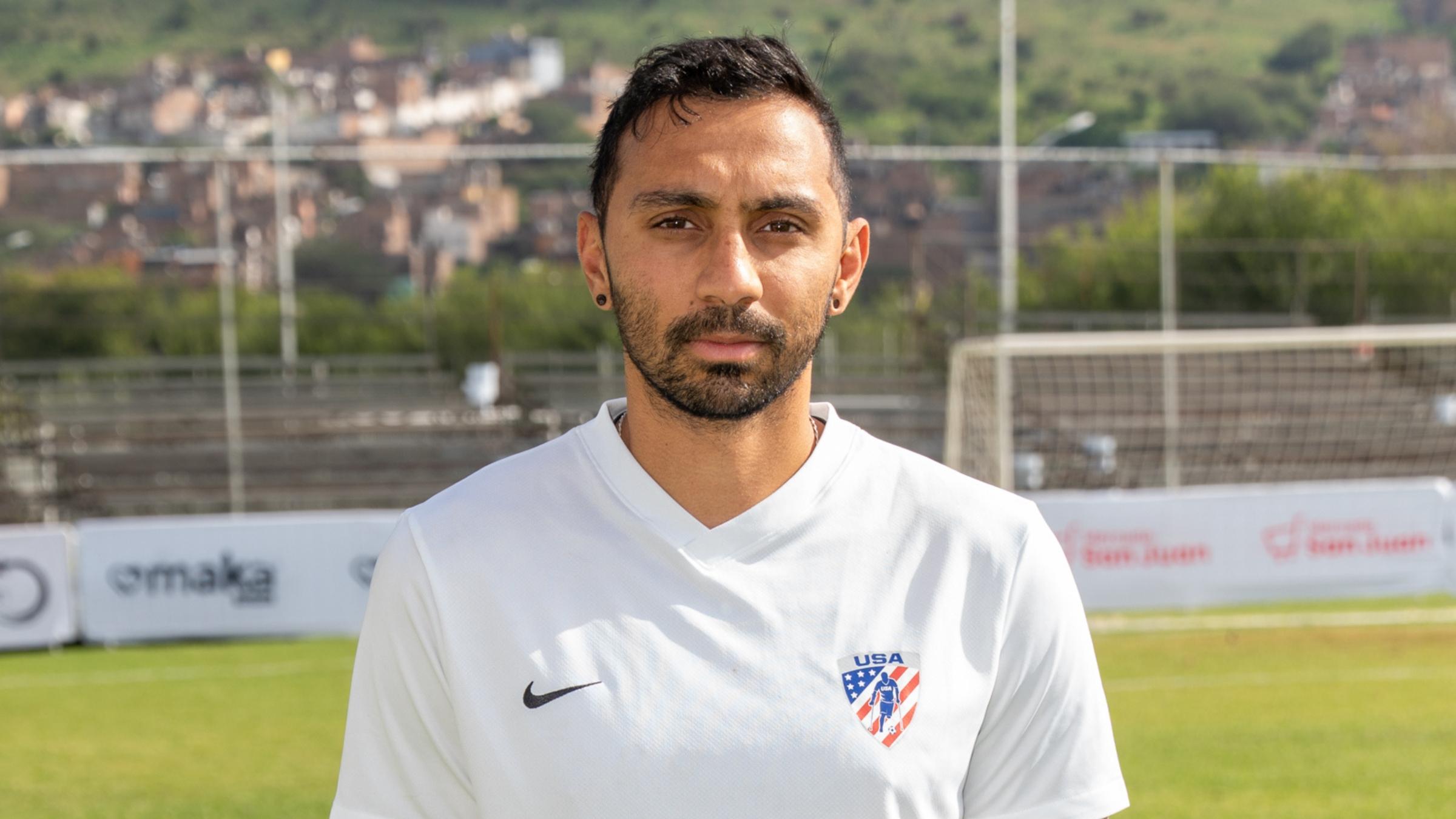
“I honor my father every time I step on the pitch, and feel him watching over me every time I put on the Stars and Stripes.” — Jovan Booker.
And then there’s Jordan Obernesser, 18, the youngest on the roster. He was diagnosed with bone cancer at 14 and lost his leg a few months later. He found the sport through the Colorado Rapids, and now he’s a college student at Montana State representing his country at a World Cup. “A dream I’ve had since I was a little kid that I never thought would be possible,” he says, “but is now coming true.”
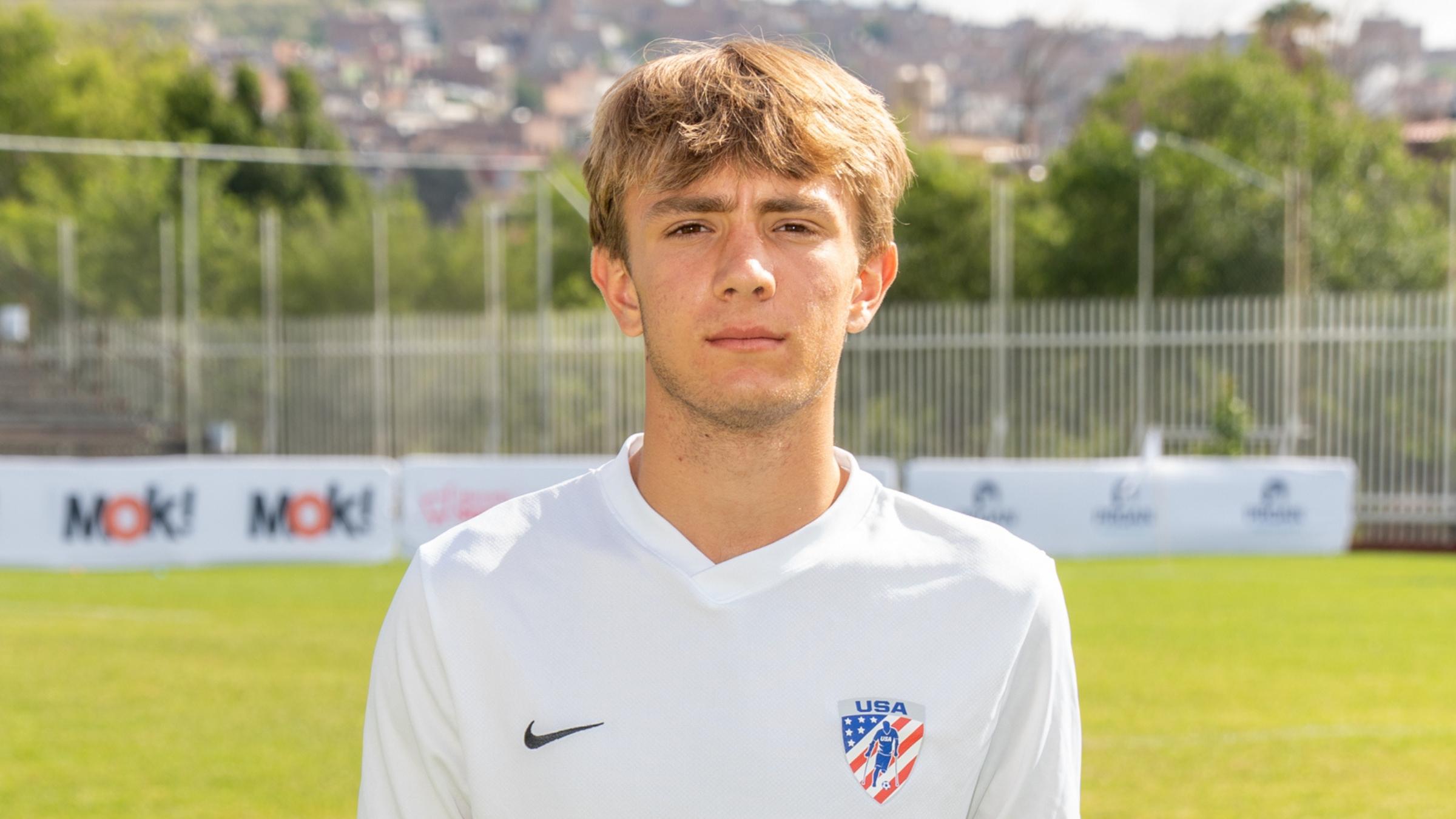
They’re not alone. There’s a three-time World Cup veteran and father of two. A law-firm partner who thought competitive soccer was behind him. A statistician who arrived from Liberia, beat cancer, and found the game in Chicago. Fifteen guys, one crest.
The Opening — and It’s in Stoppage Time
Think about the moments that make soccer legends: Landon Donovan vs. Algeria in 2010, Messi dragging Argentina through the knockout rounds. The heroes are made in the final minutes.
A brand has that exact opening right now. With the World Cup weeks away, this is stoppage time — and there’s a game-winner available. You can be the sponsor of the 2026 Men’s National Team. It’s a feel-good story with real reach attached, for a fraction of what a sponsorship at this level normally costs.
The whistle’s about to blow. Team USA is ready. The only question left is who’s going with them.
How to Get Involved
Brands & partners: The American Amputee Soccer Association is talking now with companies interested in jersey, team and player partnerships. Reach Lauren Panasewicz at lp@usampsoccer.org to start a conversation.
Fans & individuals: You can help send the team to Mexico here.
Where to watch: You can watch the 2026 World Amputee Football Federation (WAFF) Men's Amputee Football World Cup live online through the World Amputee Football Federation YouTube Channel.